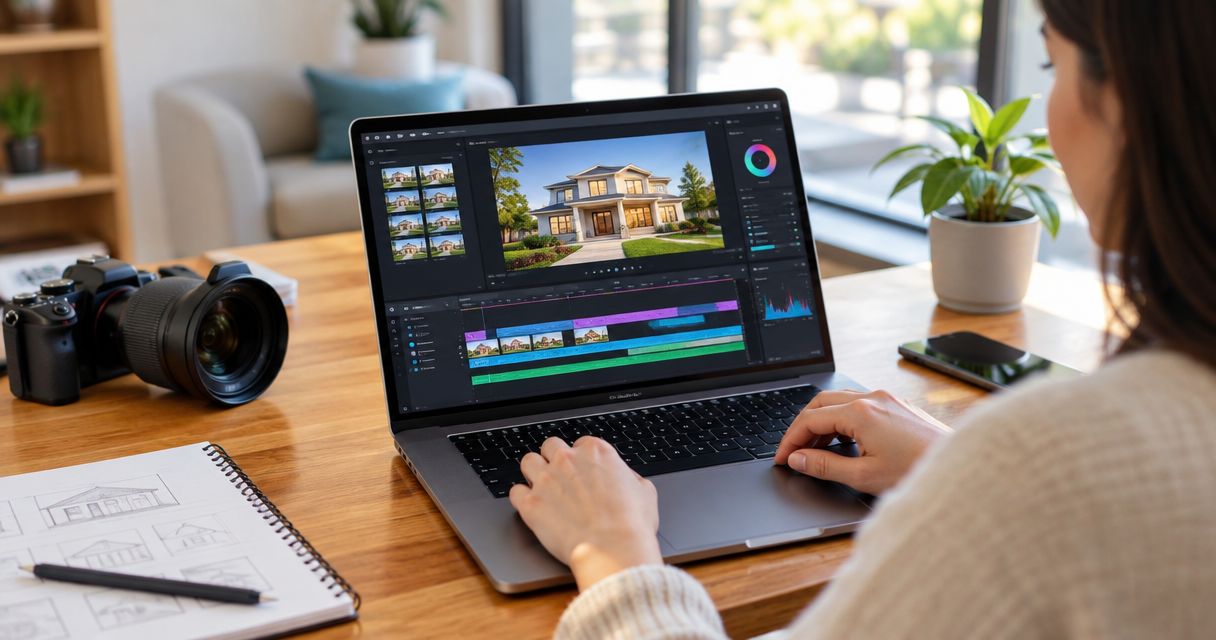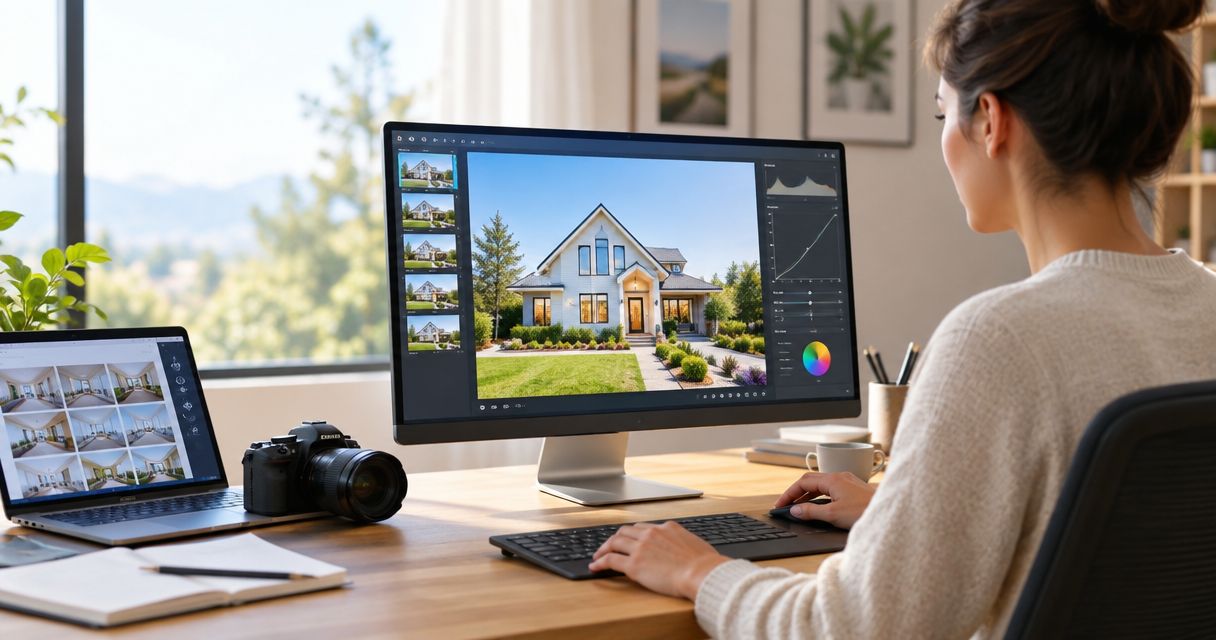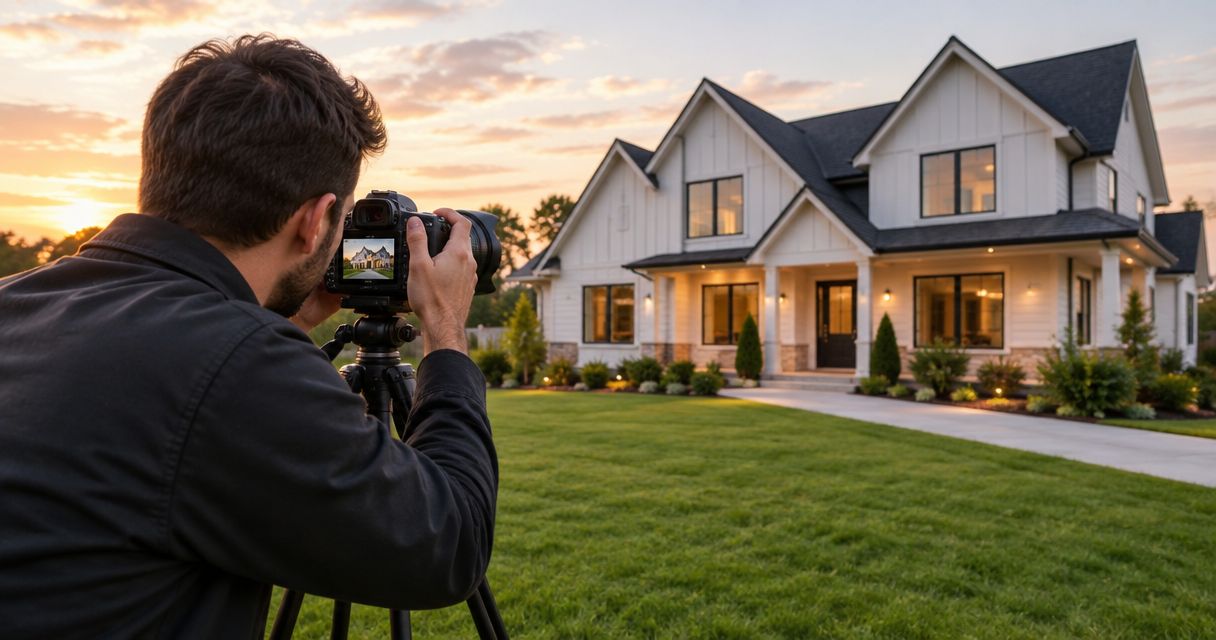
Best overall for real estate listings: DJI Mavic 3 Pro. Best for solo agents shooting their own listings: DJI Air 3S. Best for light travel and quick single-property flights: DJI Mini 4 Pro. Georgia agents searching for the best drone camera for real estate photography in 2026 are really choosing between three things: sensor quality, FAA compliance, and how much gear they want to haul to a showing.
- DJI Mavic 3 Pro is the best drone camera for real estate photography in 2026 for full listing packages and twilight shoots.
- DJI Air 3S balances image quality and portability for agents flying their own listings without a second pilot.
- DJI Mini 4 Pro's sub-249-gram body makes it the easiest drone to keep in a trunk, though FAA Part 107 rules still apply to paid listing work.
- Every drone on this list still requires an FAA Part 107 remote pilot certificate for commercial real estate photography.
- Agents who'd rather not own and maintain a drone can book licensed drone photography through Visually Sold's real estate media packages in Georgia.
Why this matters
Drone shots do more selling work than any other photo in a listing gallery — they show lot size, roofline condition, proximity to water, and how close the neighbors actually are. Visually Sold delivers licensed drone photography as part of full real estate media packages across Georgia, but a growing number of agents still want to know which camera to buy if they're planning to shoot their own listings in 2026.
Here's the rule that trips people up: every drone under 249 grams is exempt from FAA registration, but only for recreational flying. Real estate photography is commercial use the moment it's tied to a listing, so the FAA requires a Part 107 remote pilot certificate no matter what the drone weighs. A light drone does not mean no paperwork.
What makes the best drone camera for real estate photography
- Sensor size and dynamic range — a larger chip, like the 4/3-inch sensor in the DJI Mavic 3 Pro, holds detail in both bright sky and dark interiors during twilight shoots.
- Gimbal stabilization — a 3-axis mechanical gimbal keeps flythrough video smooth without warping straight roof lines.
- Weight class — drones under 249 grams skip FAA registration for recreational use and pack easier, though commercial certification still applies regardless of weight.
- Built-in zoom — a tele camera lets you frame a roofline or chimney detail without flying dangerously close to the structure.
- Obstacle avoidance — matters most on tight urban lots in Atlanta and Athens where power lines and mature trees crowd the flight path.
- Prop noise and battery swap speed — quieter props matter for daytime shoots near occupied homes with pets or kids outside.
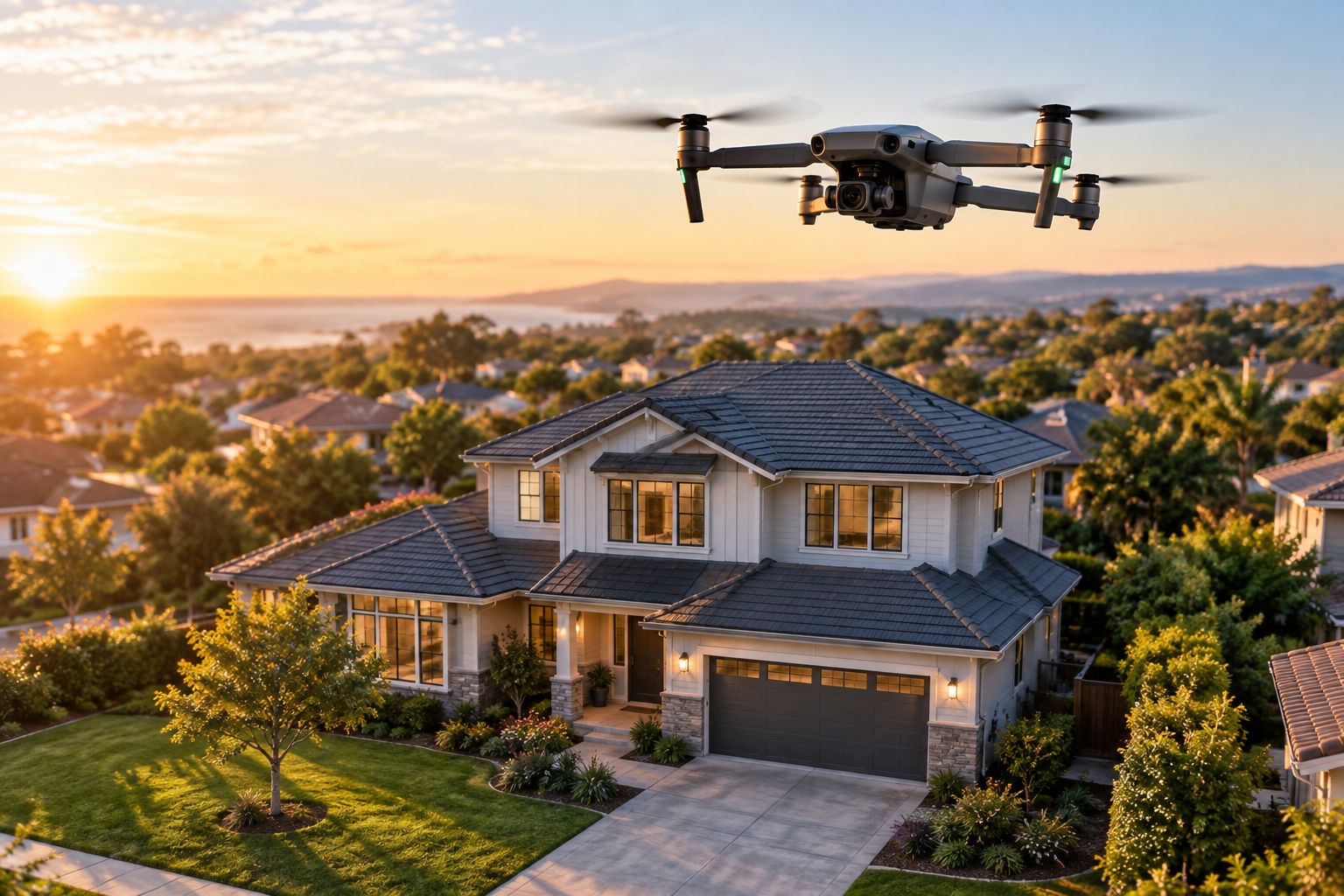
Best drone cameras for real estate photography in 2026: at a glance
| Drone | Best for | Standout feature | Key limitation |
|---|---|---|---|
| DJI Mavic 3 Pro | Full listing packages and twilight shoots | Triple-camera Hasselblad system with 70mm and 166mm equivalent tele lenses | Bulkier body takes more room in a trunk |
| DJI Air 3S | Solo agents flying their own listings | 1-inch primary sensor plus a built-in 3x tele camera | Fewer creative flight modes than the Mavic line |
| DJI Mini 4 Pro | Light travel and quick single-property flights | Sub-249-gram body skips recreational FAA registration | Smaller 1/1.3-inch sensor limits low-light detail |
| DJI Avata 2 | Cinematic interior-to-exterior flythrough video | Prop-guarded frame flies through doorways and hallways | Single camera with no zoom for wide exterior stills |
| Autel EVO Lite+ | Brokerages standardizing on non-DJI hardware | 1-inch sensor with no DJI app or firmware dependency | Smaller accessory and repair network than DJI |
1. DJI Mavic 3 Pro: best drone camera for full listing packages and twilight shoots
The Mavic 3 Pro carries a three-camera system built around a 4/3 CMOS Hasselblad main sensor, backed by a 70mm-equivalent medium tele and a 166mm-equivalent tele camera. That combination is why it's the closest thing to a professional real estate photography rig on a drone chassis — you can shoot a wide establishing shot and a tight roofline detail without changing altitude.
DJI Mavic 3 Pro pros:
- Largest sensor on this list, which matters most during twilight and low-light exterior shoots
- Dual tele cameras let you inspect roof and gutter condition from a safe distance
- Handles wind better than lighter models on exposed rural lots
DJI Mavic 3 Pro cons:
- Heavier and bulkier than every other option here, meaning more case space
- Overkill for an agent who only shoots one or two listings a month
Best for: agents or teams shooting full media packages, including twilight photography, on a regular basis. Verdict: Buy if drone photography is a recurring part of your listing process.
2. DJI Air 3S: best drone camera for solo agents flying their own listings
The Air 3S pairs a 1-inch primary sensor with a built-in 3x tele camera in a body small enough to fit in a backpack. It's the practical middle ground for an agent who wants real estate photography quality without carrying professional cinema gear to every open house.
DJI Air 3S pros:
- 1-inch sensor produces noticeably cleaner images than sub-249-gram drones
- Dual-camera setup covers wide exterior shots and closer roofline detail in one flight
- More travel-friendly than the Mavic 3 Pro
DJI Air 3S cons:
- Fewer advanced creative modes than the Mavic 3 Pro
- Still requires FAA Part 107 certification for paid listing work
Best for: agents flying their own drone for most listings without a dedicated media team. Verdict: Buy if you shoot solo and want a balance of image quality and portability.
3. DJI Mini 4 Pro: best drone camera for light travel and quick single-property flights
At under 249 grams, the Mini 4 Pro skips FAA registration for recreational flyers and packs into a small pouch. Its 1/1.3-inch sensor at 48 megapixels is respectable for daytime exteriors, though it shows its limits once the sun drops and the dynamic range gets demanding.
DJI Mini 4 Pro pros:
- Lightest and most portable drone on this list
- 48-megapixel sensor is sharp enough for standard daytime listing photos
- Easiest to justify carrying to every showing, even quick ones
DJI Mini 4 Pro cons:
- Smaller sensor struggles more in low light than the Air 3S or Mavic 3 Pro
- Being under 249 grams does not exempt commercial use from FAA Part 107 certification
Best for: agents who want a drone in the car every day without the bulk. Verdict: Buy for daytime exteriors; Hold if twilight photography is part of your standard package.
4. DJI Avata 2: best drone camera for cinematic interior-to-exterior flythrough video
The Avata 2 is an FPV drone built with a prop-guarded frame, which means it can fly through a front door and down a hallway without the props catching on a frame. That's a shot the other drones on this list simply cannot produce safely.
DJI Avata 2 pros:
- Prop guards allow tight, close-quarters interior flying that standard drones can't attempt
- Produces the kind of continuous flythrough video that stands out in listing marketing
- Fast, immersive flight feel suits dramatic property reveals
DJI Avata 2 cons:
- Single camera with no zoom, so it's not a substitute for exterior still photography
- At roughly 377 grams, it exceeds the FAA's recreational registration exemption and needs full registration
- Steeper learning curve than the standard camera drones above
Best for: agents or media teams adding a signature flythrough shot to video marketing. Verdict: Buy as a second drone for video; Skip if stills are your only priority.
5. Autel EVO Lite+: best drone camera for brokerages standardizing on non-DJI hardware
Some brokerages steer away from DJI hardware given the ongoing scrutiny DJI has faced in Congress over national-security concerns tied to Chinese-made drones. The Autel EVO Lite+ is a US-market alternative built by Autel Robotics with a 1-inch sensor and no dependency on DJI's app or firmware ecosystem.
Autel EVO Lite+ pros:
- 1-inch sensor delivers image quality comparable to the DJI Air 3S
- No DJI account or firmware requirement, which matters for brokerages with IT policies against it
- Independent repair and support path from DJI's network
Autel EVO Lite+ cons:
- Smaller accessory and repair network than DJI in most Georgia markets
- Fewer third-party app integrations for flight planning
Best for: teams or brokerages that need a non-DJI option for policy or procurement reasons. Verdict: Buy if DJI is off the table for your brokerage; otherwise the DJI Air 3S covers the same ground.
“The gimbal's stabilization matters more than the megapixel count once you're editing twilight shots.”
How we ranked these drones
The ranking above weighs the six criteria listed earlier — sensor size, gimbal stabilization, weight class, zoom range, obstacle avoidance, and battery/noise — against how Georgia agents actually shoot listings in 2026: a mix of daytime exteriors, occasional twilight packages, and video flythroughs for premium listings. No single drone wins every category, which is why each pick above owns a distinct use case instead of competing head-to-head for the same slot.
Which drone camera should you choose in 2026?
If you only buy one drone, the DJI Air 3S is the safest default — its 1-inch sensor and built-in tele camera cover most real estate photography needs without the bulk or price tier of the Mavic 3 Pro. Step up to the DJI Mavic 3 Pro if twilight photography and full media packages are a regular part of your business, and reach for the DJI Mini 4 Pro only if portability outranks image quality for you.
If owning, charging, updating, and insuring a drone sounds like more overhead than it's worth, hiring it out remains the simpler path. Georgia agents who want to see what that costs relative to buying gear themselves can review the cost of real estate photography in Georgia before deciding which route fits their listing volume.
Skip the gear and book a licensed pilot
Visually Sold pairs licensed drone photography with same-day delivery for Georgia listings.
FAQ
What is the best drone camera for real estate photography in 2026?
The DJI Mavic 3 Pro is the best overall drone camera for real estate photography in 2026 because of its 4/3 CMOS Hasselblad sensor and dual tele cameras. Agents shooting solo or traveling light are better served by the DJI Air 3S or DJI Mini 4 Pro.
Do real estate agents need an FAA license to fly a drone for listing photos?
Yes. Any drone flight tied to a paid listing counts as commercial use, which requires an FAA Part 107 remote pilot certificate regardless of the drone's weight or price.
Is the DJI Mini 4 Pro good enough for real estate listings?
The DJI Mini 4 Pro handles daytime exterior shots well thanks to its 48-megapixel sensor, but its smaller 1/1.3-inch chip loses detail faster than the Air 3S or Mavic 3 Pro once light drops for twilight photography.
Can I use an FPV drone like the DJI Avata 2 for real estate video?
Yes, the DJI Avata 2's prop-guarded frame is built for close-quarters flying, which makes it useful for interior-to-exterior flythrough video that standard camera drones can't shoot safely.
What's the difference between the DJI Air 3S and DJI Mavic 3 Pro for real estate photography?
The Air 3S uses a single 1-inch primary sensor with one tele camera, while the Mavic 3 Pro adds a larger 4/3 sensor and two tele cameras. The Mavic 3 Pro produces better low-light and twilight results; the Air 3S is smaller and easier to carry to every showing.
Is Autel a good alternative to DJI for real estate photography?
The Autel EVO Lite+ is a solid non-DJI option with a comparable 1-inch sensor, and some brokerages choose it specifically to avoid DJI hardware amid ongoing congressional scrutiny of DJI's supply chain.
Do I need to buy a drone, or can I hire someone with one?
Buying makes sense if you shoot several listings a month; otherwise hiring a licensed operator avoids the certification, maintenance, and insurance overhead. Visually Sold offers licensed drone photography as part of real estate media packages across Georgia.
How much does a drone camera for real estate photography cost?
Pricing changes often across DJI's and Autel's lineups, so check current retailer listings before buying. Weigh that cost against how many listings you shoot per month versus hiring a licensed drone photographer per property.
One last thing
The FAA doesn't care whether you ever leave your own backyard — the moment a drone photo gets tied to a for-sale listing, it's commercial use, and Part 107 applies even to a $200 drone flown fifty feet off the ground. Agents who skip that step aren't just risking a fine; they're risking the listing photos themselves if a broker or MLS later asks for proof of certification. Buy the sensor that matches your shooting frequency in 2026, but get the certificate before you get the drone.